Skip Hire St Johns Wood: Recycling and Sustainability
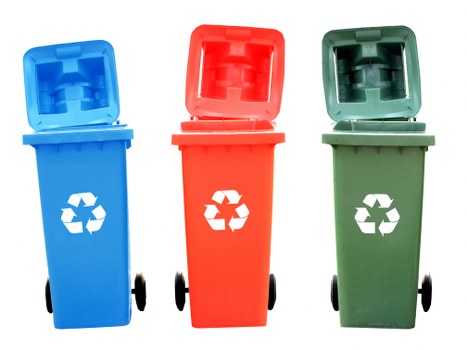
Skip Hire St Johns Wood is committed to an eco-friendly waste disposal area and a sustainable rubbish area approach across St John's Wood and surrounding neighbourhoods. Our operation supports responsible skip hire in St John's Wood by prioritising material recovery, reducing landfill, and aligning with local borough waste separation practices. We describe how our skip-hire St Johns Wood services deliver measurable environmental outcomes through targeted recycling programs and low-carbon logistics.We have set a clear recycling percentage target to drive progress: we aim to recover and recycle 75% of all materials collected from skips by 2028. That target covers reusable items, construction and demolition materials, and segregated household recyclables recovered from mixed loads. The target is ambitious but achievable through better on-site segregation, robust sorting at materials recovery facilities and close co-operation with borough waste strategies. Our work complements the City of Westminster and neighbouring boroughs' approach to waste separation — encouraging separate streams for paper and card, glass, tins and plastics, and where available, food and garden waste.
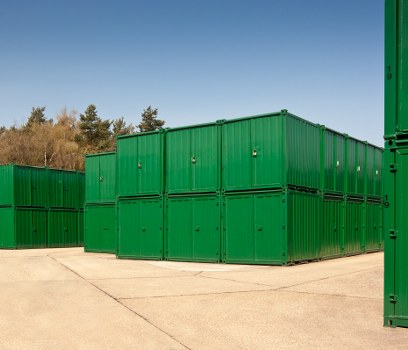 In practice we link to local transfer stations and materials recovery facilities (MRFs) that serve North and West London so that skip contents are processed close to collection points. Typical streams we manage include:
- paper and cardboard
- glass and mixed containers
- metals and mixed recyclables
- wood, soil and hardcore
- textiles and small electricals for reuse or specialist recycling
Low-carbon vans and low-impact collections
Our fleet for skip collection and delivery emphasises low-carbon vans and efficient routing. We deploy Euro 6 diesel and fully electric vehicles where possible, and employ route-optimisation software to reduce mileage. The result is lower emissions for every skip-hire in St John's Wood booking. Using low-carbon vans is part of our commitment to sustainable operation and to minimising the carbon footprint of waste transport between properties, transfer stations and recovery facilities.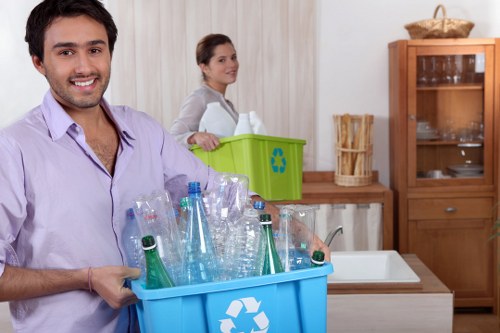
Partnerships with charities and reuse programmes
We actively partner with local charities and social enterprises to divert reusable goods from skips into community reuse programmes. These partnerships include furniture and household goods redistribution, textile banks, and collaborations with local workshops that repair small electricals. By working with charitable organisations, skip hire St Johns Wood supports circular economy outcomes that deliver social as well as environmental value. Items in good condition are identified, extracted and given a second life wherever possible rather than being shredded or landfilled.Compliance, audit and traceability are cornerstones of our service. Each delivery is documented so that clients using skip-hire St Johns Wood can track what happens to their waste. We produce basic transfer notes and material breakdowns showing recycling rates per load, enabling continuous improvement toward our recycling percentage target. Strong relationships with local transfer stations and accredited processors mean materials are recorded and routed to the correct specialist facilities for maximum recovery.
On-site segregation and sustainable rubbish area guidance
We encourage on-site segregation to help customers make the most of the eco-friendly waste disposal area concept. Clear labelling on skips, advice on separating mixed loads, and optional separate containers for timber, brick and inert waste all support higher recycling yields. Good segregation reduces contamination, which in turn increases the percentage of materials that can be recycled or reused rather than sent to disposal.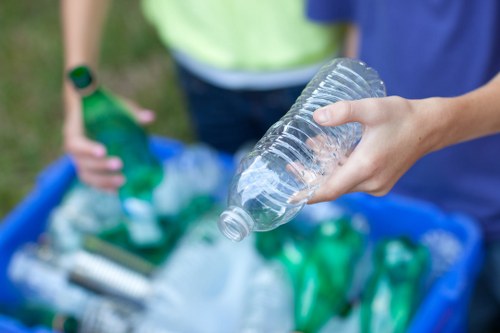 Monitoring and reporting are part of our sustainability plan. Regular audits and targeted staff training help maintain high-quality sorting standards both at collection and at partner transfer stations. We coordinate with borough recycling programmes so that our practices complement municipal kerbside schemes — for example by honouring local requirements for recyclables and organics separation where those services exist. The result is a cohesive local network for sustainable rubbish area management.