Skip Hire in St Johns Wood
Skip hire in St Johns Wood is a practical way to manage bulky waste, mixed renovation debris and everyday clearances when bags alone are not enough. Our service covers domestic and trade loads, with skip sizes and collection options that suit projects ranging from room clear-outs to building work. If you want a straightforward way to keep waste contained and removed legally, this is a clear place to start.
We focus on the main tasks people actually need: delivering the right skip, helping you choose a sensible size, and arranging collection once it is full or ready to go. For customers comparing disposal routes, our skip hire page gives a broader overview of the service, while skip sizes and prices explains the practical differences between container sizes and the factors that can affect cost. The aim is to make the process simple without overcomplicating the job.
If you already know the type of waste you have, you can plan the next step quickly and request a quotation when you are ready. If you are still deciding, the sections below set out the most relevant service options, what they suit best, and how to prepare a clear enquiry. Choose the option that matches your load, then use the contact route that suits you best.
Household Skip Hire for General Clearances

Domestic skip hire is often the most convenient choice when you are clearing a property, replacing furniture or dealing with accumulated household waste. It works well for a mix of materials that would otherwise mean multiple trips to a tip or repeated collections. Our domestic skip hire service is suitable for households that want a tidy, contained way to deal with ordinary non-hazardous waste in one go.
Typical domestic jobs include decluttering lofts, emptying sheds, disposing of old cupboards, and managing the packaging and offcuts that build up during home improvements. When the load is mixed, it helps to think about what is already on site and what will still be added before collection. That makes it easier to choose a skip that is large enough without paying for unnecessary capacity.
Good planning keeps the hire efficient. A short list of the waste types involved is usually more helpful than a vague description, and it is worth separating items that may need a different disposal route. If access is tight, note that at the outset so the chosen container and delivery approach can suit the property. That small amount of preparation can make the process smoother from start to finish.
Builders' Skip Hire for Renovation and Construction Waste

For refurbishment work, builders' skip hire is designed around the heavier, messier waste that comes from stripping out old fittings, removing broken materials and clearing up after construction tasks. Our builders skip hire page is the best fit when the waste stream is likely to include rubble, packaging, timber, metal, plasterboard or general site debris. It is a practical option for contractors and householders alike.
The key decision is usually capacity and waste mix. A smaller container can suit bathroom rip-outs or straightforward room refurbishments, while more involved projects may create a steady stream of waste that is better handled with a larger or repeat-hire arrangement. If the material includes a lot of dense rubble, that needs to be considered carefully because weight can become as important as volume.
When the job is ongoing, it can help to think about how waste will be loaded day by day. A skip placed with care can keep the work area more organised, but it still needs sensible loading so that materials sit safely and collection can be arranged without avoidable issues. Keep heavier items low, spread the load evenly and avoid mixing in anything that should not go in a standard skip.
Skip Hire for Site and Construction Waste Disposal
Construction waste disposal is often best handled through a skip when the project produces a varied stream of non-hazardous waste that needs to be kept separate from the working area. Our construction waste disposal service is suited to building activity that produces repeated offcuts, packaging, excavation spoil in suitable quantities and dismantled materials that must be removed responsibly.
For larger or busier jobs, there may also be a need to think about site clearance, especially when the work area needs tidying before a handover or before the next phase begins. Site waste can vary widely, so the most useful approach is to describe what is being removed, what may still arrive later, and whether the load is likely to remain mixed or become more specialised as the job progresses.
In practical terms, a construction waste plan is about keeping the site workable. Clear waste handling helps reduce clutter and makes it easier to move through the job in stages. If you are comparing options, it can be sensible to distinguish between debris that can go into a skip and items that may need a separate service, especially where materials are bulky, awkward or not suitable for standard mixed waste.
Garden Waste Removal and Outdoor Clearances
Garden waste removal is useful when outdoor work produces branches, hedge trimmings, turf, soil in suitable quantities and general green waste that is awkward to move in ordinary household bins. Our garden waste removal service is a strong match for seasonal tidy-ups, landscaping preparation and larger garden refreshes where the volume would otherwise build up quickly.
Some outdoor projects also create mixed waste, such as old planters, broken fencing or dismantled timber features. In those cases, the service can be planned around what is green waste and what is not, so the load is managed in a way that keeps disposal straightforward. If the project includes soil or heavy material, it is worth factoring that into the choice of skip because weight can affect the best option.
For a better result, gather waste in separate piles before loading where that is practical. It is easier to estimate the size you need when branches, soil, turf and general garden debris are not all mixed together. That also makes it clearer whether you need a service aimed at green waste alone or one that can accommodate a broader outdoor clearance.
Commercial Skip Hire for Ongoing Business Waste
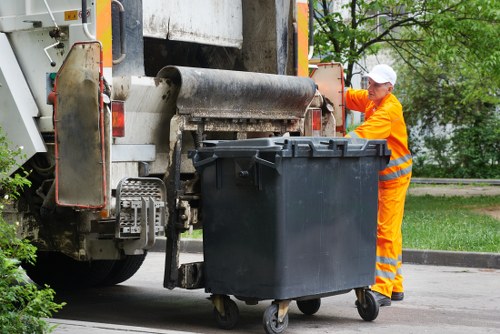
Commercial skip hire suits workplaces that produce a steady flow of non-hazardous waste and want a controlled way to keep it out of the way. Our commercial skip hire service is relevant to premises refurbishment, stock room clearances, fit-out work and routine operational waste that is too bulky for normal collections. It gives businesses a practical disposal route that can be matched to the scale of the task.
Office clearances can also benefit from a more focused approach, particularly where desks, chairs, shelving, archive material and general contents need sorting before removal. For that kind of work, office clearance is useful when the job goes beyond simply disposing of broken items and instead involves clearing a space methodically. The right choice depends on whether the waste is mixed, contained or spread across several areas.
Businesses often prefer a clear process: identify the waste, choose the container, agree the timing and make sure access is workable. That is usually enough to keep the job on track. If your site has limited parking, controlled entry or loading restrictions, mention those details early so the arrangement fits the premises rather than creating avoidable delay.
Domestic, Trade and Mixed Waste Decisions
Some projects do not fit neatly into one category. A home renovation can produce trade-style waste, while a small business clean-up may look more like a domestic clearance. In those situations, the useful question is not the label but the type, weight and volume of material. Our builders waste removal page and rubbish removal page both help describe the broader disposal routes available when a skip is not the only consideration.
If the job includes items that are particularly awkward, such as white goods or furniture, separate specialist pages can be helpful. For example, fridge and appliance removal is designed for heavier household items, while mattress and sofa disposal is relevant when bulky soft furnishings need to be dealt with in a sensible way. The right route depends on what is being cleared, not just how much space it takes up.
One clear description is better than a long guess. If you are unsure whether the load is best handled as skip hire, a removal service or a more targeted disposal route, the most useful step is to list the main items and say how much waste remains. That gives a clearer basis for choosing a practical option and keeps the enquiry focused on the real job.
About St Johns Wood
St Johns Wood is an area in north-west London, best known for its broad residential streets, garden squares and long-established identity close to Regent’s Park and the northern edge of Westminster. It sits within a part of the city where late Georgian and Victorian development left a strong architectural character, while later twentieth-century changes added apartment blocks, improved transport access and a busier retail offer along the main roads. The area is often associated with tree-lined avenues and a comparatively calm atmosphere for central London, though it is also shaped by its position near major routes and public transport links. The most prominent local landmark is Lord’s Cricket Ground, one of the best-known sporting venues in Britain, and nearby streets contain a mix of housing styles that reflect different phases of development. St John’s Wood High Street provides shops, cafes and everyday services, while the surrounding district includes embassies, specialist healthcare facilities and a number of private residential addresses. Regent’s Park lies close by and adds open green space, formal gardens and walking routes within easy reach of the neighbourhood. The area name is commonly written without an apostrophe in modern usage, although historical forms vary. Taken together, these features give St Johns Wood a distinct identity within inner London: residential but well connected, settled yet active, and shaped by both its historic fabric and its proximity to major cultural and sporting destinations.
Skip Sizes, Load Types and Practical Choices
Choosing the right skip is usually easier when you think about the job in stages. Small clear-outs may only need a modest container, while ongoing refurbishment or demolition debris can quickly justify something larger. Our construction waste clearance and skip sizes and prices pages are helpful for understanding the relationship between container size, waste type and overall practicality before you book.
When comparing options, it helps to separate the visible volume of waste from how heavy it is likely to be. Light but bulky materials can fill a skip surprisingly quickly, while dense materials may reach weight limits before the container looks full. That difference matters because the most suitable skip is not always the biggest one; it is the one that matches the load you actually expect to produce.
There are also material-specific options for jobs that need a more tailored approach. For instance, hazardous waste disposal exists for waste that should not be mixed with general skip contents, and what can go in a skip is a useful guide for understanding which everyday materials are normally acceptable and which are not. Matching the waste to the right route keeps the arrangement sensible and reduces the risk of complications later.
Collection Timing, Access and Clear Enquiries
Once the waste type and container size are settled, the next practical question is timing. Some customers need a skip for a short burst of work, while others prefer a longer window to allow for gradual loading. The useful detail to provide is the likely start point, whether the waste will be added all at once or over several days, and whether the collection should be arranged promptly after loading is complete.
Access matters as much as timing. A delivery point that is easy to reach, with enough room for placement and a sensible route for collection, makes the whole hire process easier to manage. If there are gates, narrow passages, parking limitations or shared access considerations, mention them at the enquiry stage. Book online if that is the simplest route for you, or use the contact option that best suits your schedule when you want to request a quotation.
For many customers, a brief note is enough: what the waste is, how much there is, where the skip may go and when it is needed. That gives a solid basis for pricing and availability without creating unnecessary back-and-forth. If you already have a clear idea of the job, the final step is simply to choose the service that fits and make the enquiry.
Responsible Disposal and Related Services
Responsible waste handling is not only about removing material quickly; it is about sending it through the right route and keeping unsuitable items separate from general loads. Our waste recycling services page sets out the broader disposal approach, while recycling and sustainability explains the principles behind sorting recoverable material where possible. That is especially relevant when a job produces a varied mix of materials from different parts of a property or site.
Some clearances need a more specialised solution than a standard skip. For example, house clearance is useful for full-property contents work, and garage and loft clearance suits spaces where accumulated items need to be removed in an organised way. These services can sit alongside skip hire or replace it, depending on how the waste is packed and how much sorting is needed before removal.
Where your waste involves paperwork, appliances, awkward contents or heavier mixed loads, it is sensible to choose the route that fits the material rather than trying to force everything into one method. That approach is often more efficient in practice and easier to plan around. Start with the waste, then the service. From there, the quotation process becomes much more straightforward.