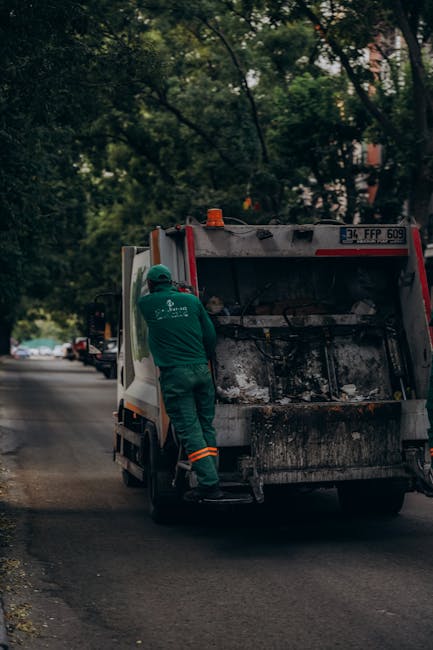
Fast rubbish removal NW8 St Johns Wood Road jobs: a practical local guide
If you need Fast rubbish removal NW8 St Johns Wood Road jobs, you are usually not looking for a long-winded plan. You want the waste gone, the access kept clear, and the job handled without hassle. Fair enough. In NW8, that can mean anything from flat clear-outs and builder's waste to bulky furniture, garden debris, office junk, or a last-minute pile-up after a small refurbishment.
The tricky bit is that "fast" does not always mean "careless." The best rubbish removal service is quick and organised: it arrives when promised, loads safely, sorts recycling properly, and avoids the usual headaches around parking, permits, and blocked access. This guide explains how it all works, when rubbish removal makes more sense than skip hire, what to ask before you book, and how to get the job done efficiently around St Johns Wood Road and the wider NW8 area.
Why Fast rubbish removal NW8 St Johns Wood Road jobs Matters
Speed matters for rubbish removal because waste has a habit of getting in the way at exactly the wrong moment. A hallway full of old furniture slows a move. A bagged-up builder's pile can block trades from finishing. A shop back room full of cardboard and broken fixtures makes restocking awkward. And in a busy part of London, mess can start affecting neighbours, customers, and access much faster than you expect.
In NW8, fast clearance is often about more than convenience. It can keep a renovation on track, make a property presentable before viewings, or clear a shared driveway before tempers rise. To be fair, nobody enjoys being the person who leaves rubble, packaging, or broken items sitting around "just for one more day." One more day has a funny way of turning into a week.
There is also a practical side: the quicker waste is removed, the lower the chance of trip hazards, weather damage, fly-tipping issues, or awkward disputes over where the pile should sit. If you are dealing with a time-sensitive job, fast rubbish removal gives you breathing room. That is often worth more than shaving a few pounds off the booking.
For many customers, the ideal solution is a service that can collect waste on the same day or at short notice. If that is your situation, a same day waste solution may also be worth considering alongside direct removal, especially where the load is substantial or ongoing.
How Fast rubbish removal NW8 St Johns Wood Road jobs Works
The process is usually straightforward, but it helps to understand what happens behind the scenes. Fast rubbish removal is typically arranged around a few simple details: what you need removed, how much there is, where the waste is located, and how accessible the property is. That is the real backbone of the service. The rest is logistics.
Most jobs follow a pattern like this:
- You describe the waste - for example, household rubbish, mixed junk, furniture, office items, builders' debris, or garden waste.
- Photos or a brief list are reviewed - this helps estimate the load and identify anything that needs special handling.
- A collection plan is confirmed - that might include a timed arrival, a wait-and-load arrangement, or a labour-only clearance.
- The team loads the waste safely - items are carried out, sorted where appropriate, and handled to reduce damage to floors, walls, or communal areas.
- The waste is taken away for processing - reusable and recyclable materials are separated where possible.
In some situations, a rubbish removal team is the better fit than a skip. A skip can be great when you have room and time. But if the road is tight, parking is awkward, or you want the waste gone quickly without leaving a container outside, a direct clearance service can be much more practical. That is especially true for flats, mews properties, managed buildings, and commercial units with limited frontage.
If the job is time-critical and you do not want waste sitting around, you may find a flexible option like wait and load waste collection suits the pace of the day better than a standard drop-and-fill approach.
Key Benefits and Practical Advantages
Fast rubbish removal is popular for a reason. It removes pressure from the day and tends to make everything else run more smoothly. The benefits are not just about speed, either. There are several practical wins that matter in real life.
- Less disruption - waste is cleared quickly, so it does not take over the space.
- Better access - important in tighter NW8 streets, where blocked driveways and pavements can become a nuisance.
- Safer work areas - fewer loose nails, shards, bags, and bulky items lying around.
- More flexible timing - useful when a cleaner, decorator, plumber, or removal crew is waiting behind the scenes.
- Good for mixed waste - especially where several item types have built up at once.
- Can be more efficient than DIY - no multiple car trips, lifting strain, or figuring out where everything should go.
There is a subtle advantage too: a tidy site feels calmer. You notice it immediately. The room sounds different once the bulky stuff is out. The job suddenly looks manageable instead of endless. Strange but true.
For heavier or more awkward loads, related services can help keep things moving. For example, builders often use builders waste removal or construction waste disposal when the priority is to clear rubble, packaging, timber offcuts, and mixed site waste efficiently.
Who This Is For and When It Makes Sense
Fast rubbish removal is not only for emergencies. It is for anyone whose time, access, or space is limited. That covers a lot of people, especially in a dense London postcode like NW8.
It often makes sense if you are:
- moving out and need a property cleared before handover
- preparing a flat for sale or letting
- removing bulky household items after a room refurb
- clearing builder's waste after a small project
- emptying a garage, loft, shed, or basement
- running a shop, office, or hospitality space with clutter building up
- dealing with garden cuttings, branches, soil, or seasonal waste
It also suits people who do not want to guess the size of skip they need. Maybe you have a few large items and some mixed bags, not a mountain of waste. In that case, direct removal can be simpler than arranging a skip, especially if you only need the work done once and done properly.
If the job is at home, you may also want to look at domestic skip hire for larger clear-outs, or house clearance when the task has grown beyond a few bags and starts feeling like a mini project in itself.
Step-by-Step Guidance
If you want the fastest possible result, a bit of preparation goes a long way. The good news is that it is not complicated. Just keep it organised and don't overthink it.
- Separate the waste into rough groups
Put furniture, bagged rubbish, cardboard, wood, green waste, and any specialist items into clear piles. You do not need museum-level sorting, just enough to help the removal team work quickly. - Identify restricted materials
Hazardous items, chemicals, batteries, gas cylinders, asbestos, and certain electricals need special handling. If you are unsure, ask first rather than guessing. - Measure access
Check stairs, narrow hallways, lift sizes, parking space, and whether the team can get close to the property. A fast job can slow down fast if access is tight. - Send photos if possible
A couple of simple photos often save time. One of the waste pile, one of access, and one of any awkward item is usually enough. - Choose the right collection style
For some jobs, the right answer is a straightforward clearance. For others, man and van clearance is more suitable, especially where loading needs to happen quickly from inside the property. - Confirm timing and parking expectations
In London, small timing details matter. If the team has to wait for a bay, a concierge, or a loading point, tell them in advance. - Keep the route clear
Move smaller obstacles before the crew arrives. It sounds obvious, but it saves time and reduces the chance of bumps and scrapes.
A real-world example: a landlord in NW8 might discover, just before new tenants move in, that the previous occupant left a broken wardrobe, several bin bags, and a mattress in the spare room. A clear plan, a few photos, and a fast collection window can turn that from a stress point into a same-morning fix. Not glamorous. Very effective.
Expert Tips for Better Results
Here is where a few small decisions make a big difference. Speed is not only about the crew. It is also about how ready the job is when they arrive.
- Group similar materials together so loading is smoother and sorting is easier.
- Put the heaviest items closest to the exit if you are preparing the pile yourself.
- Keep wet waste separate where you can - soggy cardboard and soaked plasterboard are more awkward than they look.
- Flag any fragile flooring or common areas before work begins.
- Ask about recycling separation if sustainability matters to you. It usually should.
- Plan for awkward items early such as fridges, mattresses, sofas, or office shredding.
One small but useful tip: if you are clearing a flat, make sure lift usage and loading bay arrangements are confirmed before collection day. That little detail can be the difference between a smooth 20-minute visit and a frustrating half-hour faff. Nobody needs the faff.
For awkward appliances and bulky household items, specialist options like fridge and appliance removal or mattress and sofa disposal can be a cleaner and safer choice than trying to move them yourself.
Common Mistakes to Avoid
The biggest mistakes usually happen before the truck even turns up. The job then feels slower than it should have been, which is a shame because most of it was avoidable.
- Underestimating the volume - a "few bits" can quickly become a full load once you start stacking them.
- Leaving hazardous items in the pile - this can delay collection and create compliance issues.
- Forgetting access restrictions - especially common in mews roads, shared blocks, and narrow entrances.
- Assuming everything can go together - some waste streams need separation.
- Booking too late in the day - if you need the space cleared before another trade arrives, don't leave it to chance.
- Not asking about permits or loading rules - particularly if waste needs to be placed near the road.
Another easy mistake is using the wrong service for the wrong job. A small domestic clear-out may suit direct rubbish removal. A bigger renovation may be better served by builders skip hire or builders waste removal. Matching the method to the job usually saves time, money, and a bit of irritation.
Tools, Resources and Recommendations
You do not need many tools to prepare for fast rubbish removal, but a few basics help the process move smoothly.
- Heavy-duty sacks or boxes for loose waste
- Gloves for safe handling of sharp or dirty items
- Tape and labels if you want to mark items for recycling or reuse
- Phone camera for quick job photos and access checks
- Basic measuring tape for doors, lifts, or stair width
- Notebook or checklist for separating items that must stay behind
When planning a larger clearance, it also helps to understand what can and cannot go into mixed waste loads. The page on what can go in a skip is a useful reference point even if you are not ordering a skip, because the same common-sense sorting rules often apply.
If you are comparing services, the following pages can help you shape the right approach: skip sizes and prices, pricing and quotes, and recycling and sustainability. Those pages are especially helpful if you are weighing speed against budget and environmental priorities.
Law, Compliance, Standards, or Best Practice
Rubbish removal is one of those services where good practice matters more than most people realise. In the UK, waste must be handled responsibly, and customers should be careful about who they hand it to. If waste is collected by the wrong person and dumped illegally, the original owner can still end up with problems. That is not a fun discovery.
As a customer, the safest approach is to use a provider that can explain how waste is transported, sorted, and disposed of. Good operators should also be able to discuss insurance, safe loading, and any handling limits for hazardous or restricted items. If you are removing confidential material, a service such as confidential shredding may be a better fit than general waste disposal.
For businesses, the bar is even higher. Offices, retail units, landlords, and contractors often need records or at least a clear understanding of how waste is handled. If your job involves workplace clearance, it is sensible to look at office clearance and related disposal options so you can keep things orderly and compliant.
Health and safety is part of the picture too. Heavy lifting, sharp edges, dust, and broken materials can all create avoidable risks. That is why it helps to follow straightforward site-safety habits: clear the route, wear suitable footwear, keep children and pets away, and don't guess when something looks hazardous. If a job feels awkward, it probably is.
Options, Methods, or Comparison Table
Different jobs call for different methods. The fastest choice is not always the biggest vehicle or the cheapest quote; it is the one that fits the site, the waste type, and the timing.
| Method | Best for | Strengths | Watch-outs |
|---|---|---|---|
| Direct rubbish removal | Mixed household or commercial waste, bulky items, quick clear-outs | Fast, hands-off, good for awkward access | Needs accurate description of load and access |
| Wait and load | Short jobs where waste can be loaded immediately | Useful where on-street placement is difficult | Requires everything ready when the crew arrives |
| Skip hire | Ongoing projects, renovations, repeat loading | Flexible for larger jobs, easy for self-loading | May need space or a permit, depending on location |
| Grab-style collection | Heavy, loose, or bulky waste in volume | Quick loading for larger piles | Needs suitable access and clear piling area |
| Man and van | Small-to-medium loads, one-off home or office clearances | Flexible, personal, efficient for carry-out jobs | Can be less suitable for very heavy builder's waste |
In practice, people often choose between a fast clearance and a skip based on access. If the road is tight, grab hire services can be a smart option for loose loads, while enclosed and lockable skip hire can suit sites where security matters.
Case Study or Real-World Example
Imagine a small property refurbishment near St Johns Wood Road. The painters have finished, but the hallway is still crowded with a broken chest of drawers, old carpet offcuts, packaging, and a few heavy black bags from the clear-out. The owner wants the space empty before the carpet fitter arrives the next morning. That is a classic fast-removal job.
Here, the best approach is usually not to wait for a general tidy-up "later in the week." It is to arrange a fast collection, confirm access, and make sure everything is stacked in one place. If the waste includes a couple of awkward items, the team can load them first and then clear the smaller bits behind. The room goes from cluttered to usable in one visit. You can almost feel the relief in the room once it is done.
That same pattern shows up in offices too. A small team might need old desks, chairs, boxes, and confidential papers removed before a lease end date. In that case, combining office clearance with responsible document handling and a clear collection schedule can save a lot of back-and-forth.
And if the job is more about renovation debris than household clutter, a specialist route such as construction waste clearance may be the most practical way to keep the site moving.
Practical Checklist
Use this quick checklist before your collection. It helps keep the job fast and reduces awkward surprises on the day.
- Waste is gathered in one place where possible
- Heavy items are identified in advance
- Hazardous or restricted items have been separated
- Access routes are clear and well lit
- Parking or loading arrangements have been checked
- Lift use or concierge access has been confirmed if needed
- Photos of the load have been taken
- The collection time has been agreed clearly
- You know whether the job needs skip hire, wait and load, or direct removal
- Someone is available on site, or key access has been arranged
If you are dealing with a one-off clear-out, this kind of basic preparation can shave a surprising amount of time off the job. Nothing fancy. Just clean organisation.
Get a free quote today and see how much you can save.
Conclusion
Fast rubbish removal NW8 St Johns Wood Road jobs are all about timing, access, and sensible planning. The quickest solution is usually the one that matches the waste type, the property layout, and how urgently you need the space back. Sometimes that is direct rubbish removal. Sometimes it is wait and load. Sometimes a skip or specialist clearance route makes more sense. The right answer is the one that keeps your day moving.
If you are in the middle of a move, refurbishment, tenancy change, office refresh, or builder's project, do not wait for the pile to become the problem. Get it assessed early, sort the load properly, and choose a collection method that fits the job. Simple really, though life rarely feels simple when there is rubble in the hallway.
A tidy space has a way of lifting the whole mood, and once the last bag is gone, everything feels lighter. That is usually the moment people realise the job was never just about waste at all.
Frequently Asked Questions
What counts as fast rubbish removal in NW8?
It usually means a collection service that can respond quickly, often on the same day or at short notice, and remove waste without the long delays of a bigger project plan.
Is rubbish removal faster than skip hire?
Often yes, especially for small to medium loads or properties with tricky access. Skip hire can still be quicker for ongoing projects, but direct removal is usually more immediate.
What kind of waste can be removed quickly?
Household junk, furniture, bagged rubbish, garden waste, office clutter, and many types of builders' waste can often be cleared quickly, provided the load is described accurately.
Do I need to sort the rubbish before collection?
A full sort is not always required, but grouping similar items and separating hazardous materials helps the team work faster and reduces the chance of delays.
Can you remove bulky items like sofas or mattresses?
Yes, bulky items are common in fast clearance jobs. It is best to mention them in advance so the collection is planned with the right team and equipment.
What if my property has difficult access?
That is very common in London. Narrow staircases, shared entrances, and limited parking can all affect the job, so always mention access details when booking.
Is a permit needed for rubbish removal?
Usually not for direct removal inside a property, but if waste needs to be placed on the public highway or a skip is being used, permit rules may apply depending on the setup.
How do I know whether I need skip hire instead?
If the project will create waste over several days and you have space for a container, skip hire may suit you better. For one-off clear-outs and awkward access, rubbish removal is often the easier option.
Can I include electrical items or fridges?
Some electricals and appliances can be taken, but they often need to be handled separately. Fridges, freezers, and similar items should always be flagged in advance.
What should I do with hazardous waste?
Do not mix it into the general pile. Items such as chemicals, asbestos, batteries, and similar materials need specific handling, and you should always ask for guidance before collection.
Does fast rubbish removal include recycling?
It should, where materials can be separated responsibly. Good practice is to sort recyclable material from general waste wherever possible and send each stream for the right treatment.
How early should I book a fast collection?
If the job is time-sensitive, book as early as you can, even if the exact volume is still being confirmed. A few photos and a clear description can speed things up a lot.
Can fast rubbish removal work for business premises?
Yes. Offices, shops, landlords, and small commercial sites often use fast removal to keep trading areas, storage rooms, or back-of-house spaces clear and safe.
What is the most common mistake people make?
The most common mistake is underestimating access or the amount of waste. The second is forgetting to mention restricted items. Both can slow the job down more than people expect.
Who do I contact for the next step?
If you are ready to arrange a collection or want advice on the best option for your waste, use the site's booking and service pages to match the job properly before confirming.